

A home is not only walls and a roof. It is movement, light, and the silent rhythm of everyday life. Even such a seemingly small detail as door width can dramatically influence comfort, accessibility, and aesthetics. When planning or renovating, many homeowners overlook this factor, yet it defines how freely you move through your space. If you are searching for modern door solutions, you can explore high-quality options at https://indigodoors.com/ where design meets functionality in every detail.
Choosing the right door width is not only about standards. It is about how your home feels when you live in it day after day. Before making a final decision, it is worth imagining your daily routine in detail. Walk mentally through your home, picture yourself carrying bags, rearranging furniture, or simply moving from room to room. These small visualizations help identify potential discomfort long before it becomes real.
Why door width matters in everyday life
Doorways shape how we interact with our home. A narrow door may seem acceptable at first glance, but over time it can create discomfort, restrict movement, and even affect the perception of space.
In daily life, door width influences:
- ease of moving furniture
- accessibility for children and elderly people
- comfort when carrying items
- visual openness of rooms
- overall ergonomics of the home
Imagine carrying a large laundry basket through a tight doorway. Or trying to move a sofa through a narrow passage. These small inconveniences accumulate into daily frustration.
A well-chosen door width turns movement into a natural flow rather than an obstacle course inside your own home.
Beyond practicality, wider doors create a psychological sense of openness. Rooms feel connected, air circulates better, and natural light spreads more freely. It is useful to observe how often doorways become bottlenecks in your current space. Even a few extra inches can change the experience dramatically. If possible, measure your existing doorways and compare them with your daily needs. You may discover that increasing width slightly would solve recurring inconveniences.
Standard door widths and what they mean
Common residential door sizes
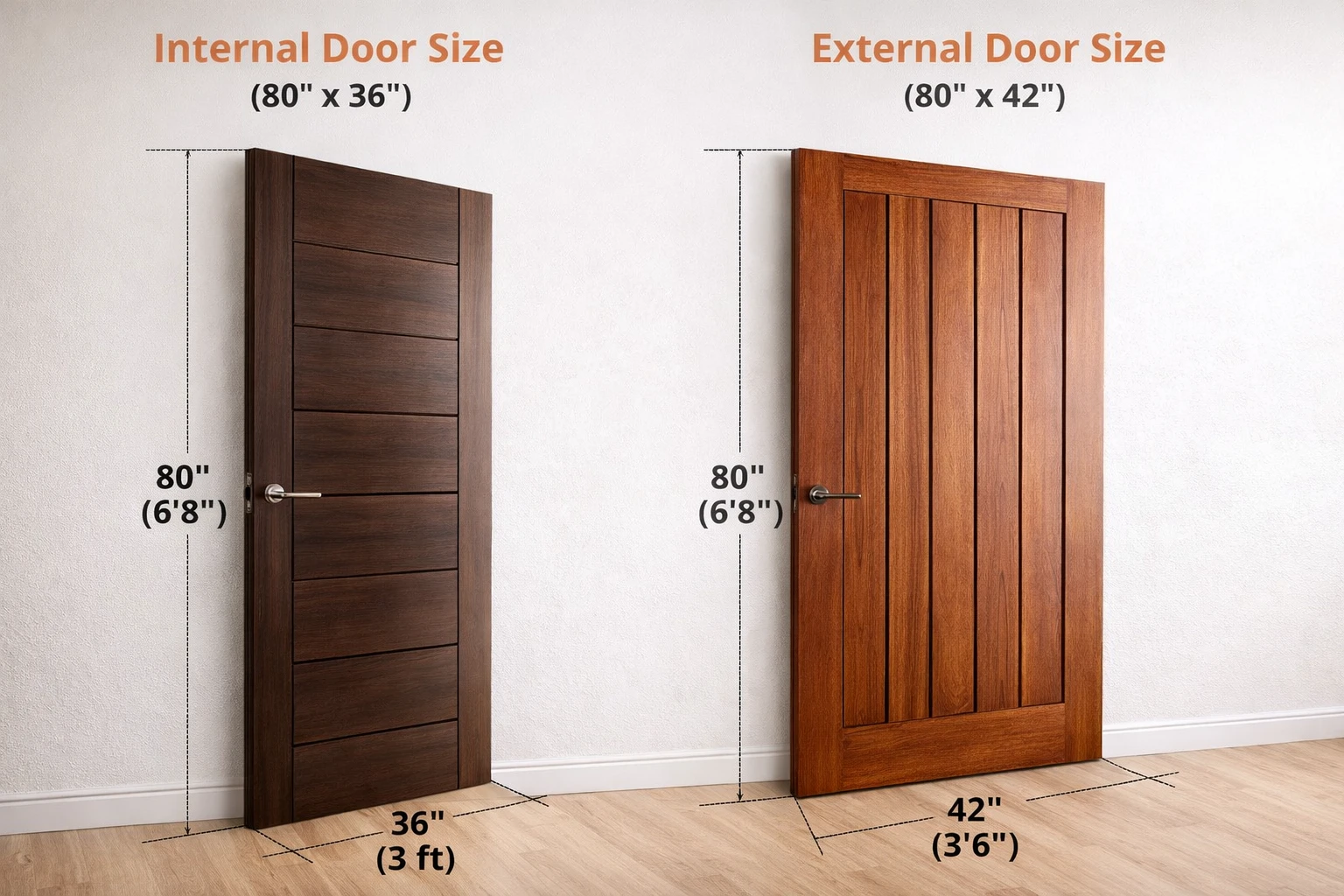
Most homes follow typical standards, but these are not always optimal for comfort. Standard interior door widths usually include:
- 24 inches
- 28 inches
- 30 inches
- 32 inches
- 36 inches
Each size serves a purpose, but not all are equally comfortable. When choosing among these, think not only about the current layout but also about future changes. Renovations, new furniture, or family growth can all make narrow doorways feel limiting.
What each width feels like
- 24 inches
Often used for closets or utility spaces
Feels tight for daily use - 28 inches
Acceptable for smaller rooms
Still slightly restrictive - 30 inches
A balanced option for bedrooms
Comfortable for most people - 32 inches
Ideal for modern homes
Provides easy movement and flexibility - 36 inches
Best for accessibility and luxury layouts
Creates a spacious and open feeling
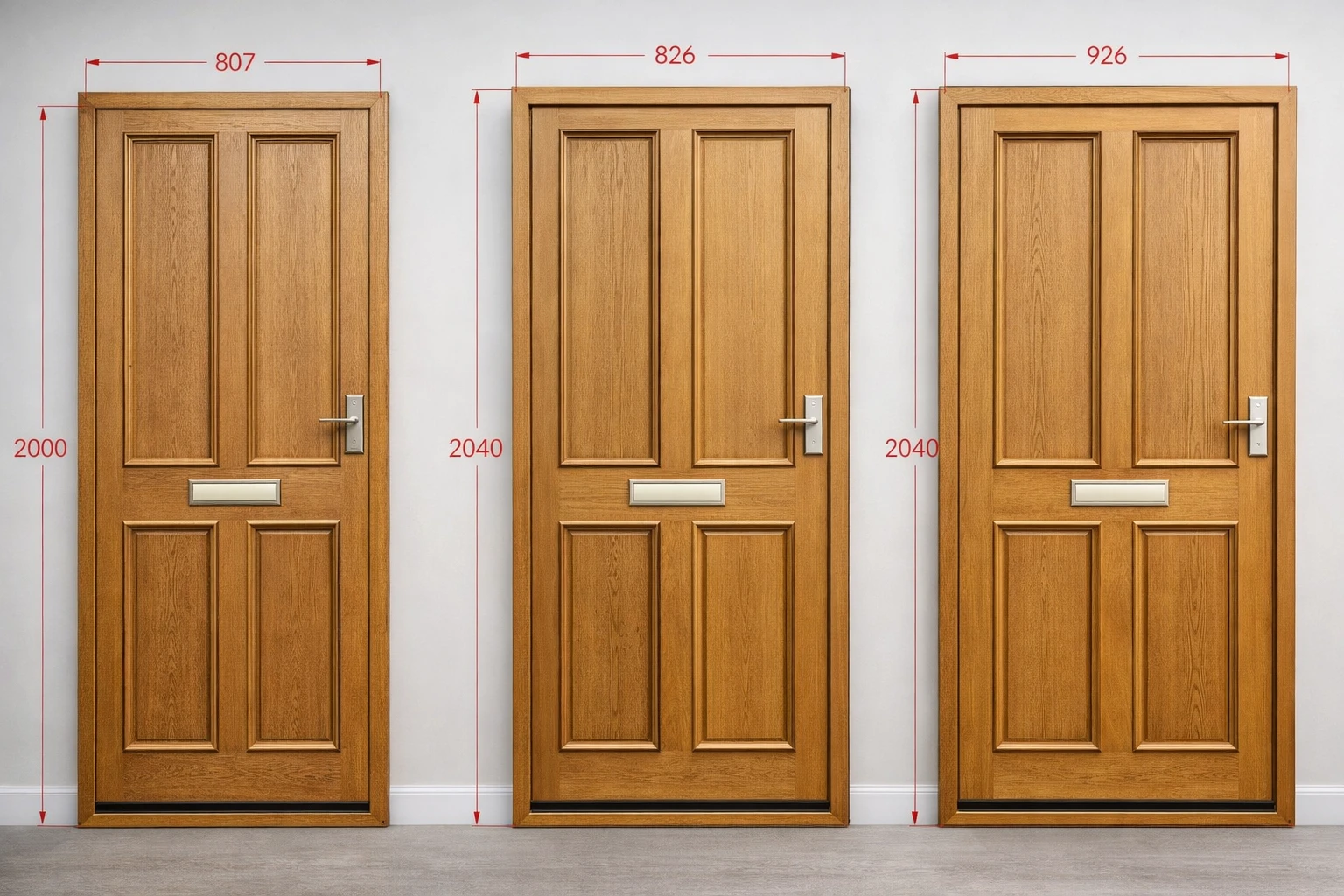
A wider door does not just improve movement. It enhances the entire experience of the home. When comparing sizes, it helps to mark the width on the wall or floor with tape. This simple visualization allows you to physically feel the difference before installation.
Hidden impact on furniture and renovations
Many homeowners realize the importance of door width only when moving furniture. Beds, wardrobes, and appliances often require extra clearance.
Choosing a wider door at the planning stage can save time, money, and stress in the future. It is also helpful to keep a list of the largest items you own or plan to purchase. Compare their dimensions with your doorway sizes to avoid unpleasant surprises during delivery or rearrangement.
Optimal door width for different rooms
Living room and main areas
The living room is the heart of the home. It connects spaces and welcomes guests. Here, wider doors work best.
- 32 inches minimum for comfort
- 36 inches for open and luxurious layouts
These dimensions allow furniture movement and create a sense of openness. In open-plan layouts, wider doors or even double doors can visually merge spaces, making the home feel larger and more inviting. Consider how guests move through your home during gatherings. A wider entrance to the living room prevents congestion and makes the space feel more welcoming.
Bedrooms
Bedrooms require a balance between privacy and comfort.
- 30 inches is a common standard
- 32 inches offers better comfort and flexibility
A slightly wider door makes a bedroom feel more breathable and less confined. It also simplifies tasks like changing furniture or moving large items. When planning bedroom doors, consider bed size, wardrobes, and possible layout changes in the future.
Kitchen and utility spaces
Kitchens are active zones with constant movement.
- 30 inches minimum
- 32 inches recommended
- 36 inches for large kitchens
Carrying groceries, moving appliances, and daily cooking all benefit from extra space. In households where cooking is frequent, wider doorways reduce stress and improve workflow. It is also practical to consider door opening direction so it does not interfere with cabinets or appliances.
Bathrooms
Bathrooms often have the narrowest doors, but comfort should not be sacrificed.
- 28 inches is common
- 30 inches improves usability
- 32 inches is ideal for accessibility
A bathroom door should never feel like a barrier. Comfort begins even before you step inside.
Think about how often bathrooms are used and by whom. A slightly wider door can make a significant difference for families with children or elderly members. It also simplifies cleaning and maintenance tasks.
Closets and storage
Closets can remain smaller, but even here, practicality matters.
- 24 inches for small closets
- 28 inches for walk-in storage
Wider openings make organization easier and more efficient. If you plan to store bulky items, consider increasing the width beyond the minimum. Sliding or double doors can also improve accessibility without taking extra space.
Accessibility and universal design
Modern homes increasingly consider accessibility from the start. This is not only for people with disabilities but for long-term comfort.
Why accessibility matters
A home should adapt to every stage of life. Wider doors ensure that:
- wheelchairs can pass easily
- strollers move without obstacles
- elderly residents feel safe
- future renovations are minimized
Accessibility also improves everyday convenience, even for those who do not immediately need it. It is about creating a home that remains comfortable over time.
Recommended widths for accessibility
- minimum 32 inches clear opening
- 36 inches for optimal comfort
These dimensions align with universal design principles and create a future-proof home.
Designing for accessibility is not about limitation. It is about freedom of movement for everyone who enters your home.
When planning accessibility, also consider thresholds, handles, and door swing. A wider door combined with thoughtful hardware creates a truly comfortable environment.
Long-term benefits
Even if accessibility is not a current concern, wider doors increase property value and make the home more attractive to buyers. They also reduce the need for costly modifications later. Thinking ahead saves both money and effort.

