

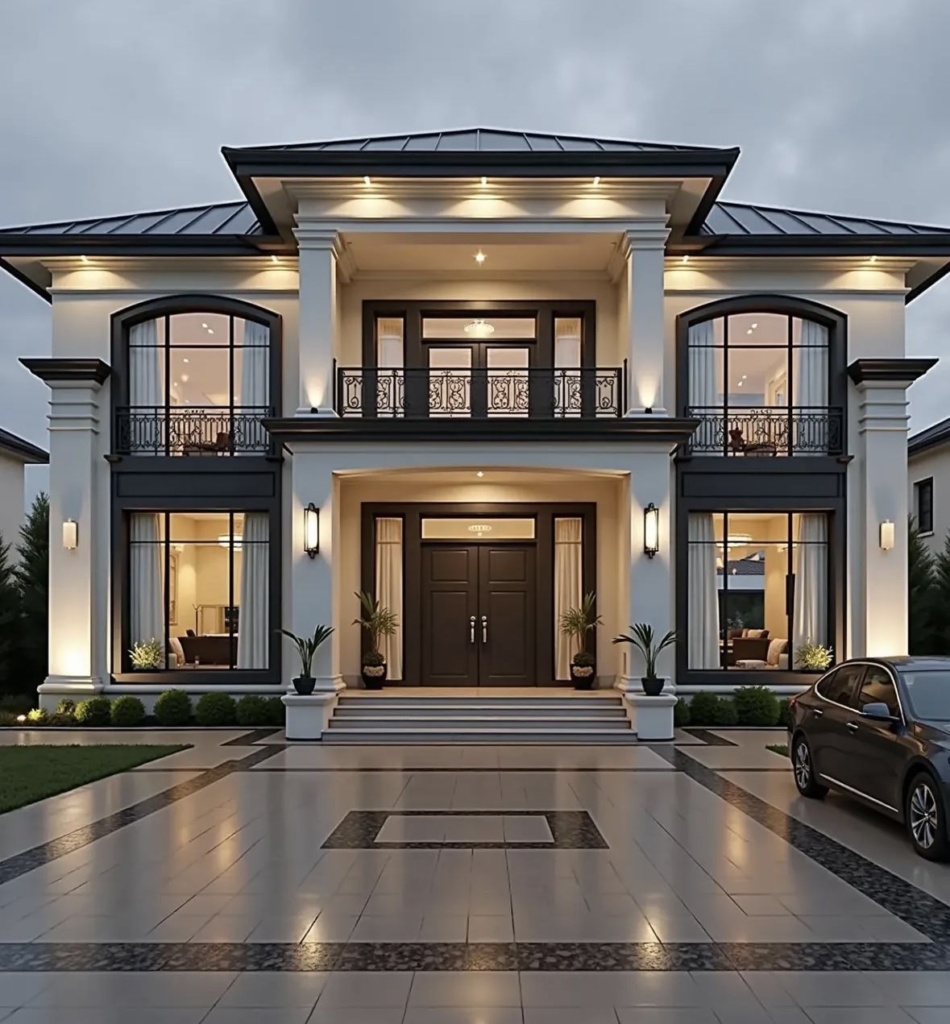
The shift towards sustainability in architecture has led designers to innovate continuously. Homebuilders are increasingly integrating eco-friendly materials and energy-efficient systems. This includes using recycled materials and adopting passive solar designs to harness natural light and heat.
Green roofs and walls are becoming popular features in new homes. These not only enhance aesthetics but also contribute to energy efficiency by providing natural insulation. The incorporation of rainwater harvesting systems and solar panels further underscores the commitment to a sustainable lifestyle.
The tendency to build smaller, more efficient homes is also a reaction to environmental concerns. Minimalist designs that maximize space while minimizing resource consumption are becoming the preferred choice among environmentally conscious homeowners.
Smart Home Technology Integration
The digital age has brought about a new wave of smart homes, equipped with technologies that enhance convenience and security. Automated systems allow homeowners to control lighting, temperature, and security from their smartphones. This integration of technology is seamlessly blending into modern home architecture.
Voice-activated assistants and smart appliances are becoming standard in newly designed homes. These technologies can learn user preferences and make daily life more efficient and effortless. As a result, homes are evolving into interactive living spaces tailored to the occupants’ needs.
These technological advancements also promote energy savings. Smart thermostats and lighting systems adapt to personal habits and environmental conditions, optimizing energy use and reducing costs. This not only benefits the homeowner but also contributes to overall sustainability efforts.
Related article:
Understanding Making Tax Digital for Income Tax
Open Floor Plans and Flexible Spaces
Open floor plans continue to be a popular choice, as they facilitate connectivity and a sense of spaciousness. This layout is particularly appealing for families, allowing for easy interaction across various spaces. Flexible spaces that can serve multiple functions are now a prominent feature in modern homes.
The integration of movable walls and multipurpose furniture allows homeowners to adapt their living spaces to different needs. This flexibility is particularly beneficial in urban environments where square footage is limited. It allows for personal expression and the efficient use of available space.
Kitchens have become central hubs in modern homes, often integrated into the living and dining areas. This design promotes social interaction and creates a welcoming atmosphere, making the home feel more inclusive and dynamic.
Innovative Heating and Cooling Solutions
Innovations in heating and cooling solutions are transforming residential design. Underfloor heating, for instance, offers aesthetic and comfort advantages, influencing how spaces are conceived. More homeowners are now planning homes with radiant floor heating to enjoy consistent warmth without disrupting aesthetics.
These systems are also energy-efficient, offering uniform heat distribution and reducing the need for bulky radiators. They allow designers to focus on creating seamless interiors without the constraints of traditional heating elements. This freedom encourages more creative architectural outcomes.
The integration of energy-efficient air conditioning systems complements underfloor heating, ensuring comfortable indoor climates year-round. These systems are smarter and connected, allowing for adaptive climate control that responds to environmental changes and personal preferences.
Related article:
Exploring Paris After Dark: A Guide to PlayBattleSquare
Use of Natural Light and Ventilation
The strategic use of natural light and ventilation is fundamental in modern architecture. Large windows, skylights, and open spaces are used to maximize natural light, enhancing the well-being of inhabitants and reducing the need for artificial lighting. This design approach not only saves energy but also creates harmonious living spaces.
Natural ventilation is another crucial element, where operable windows and vents promote airflow and maintain indoor air quality. This passive cooling strategy reduces the need for mechanical cooling and connects the indoor environment to the outside ecosystem.
Architects are using these elements to create biophilic designs that integrate nature into living spaces. Such designs not only improve mental health but also foster a connection between residents and their natural surroundings, promoting a healthy lifestyle.
Emphasis on Health and Wellness
Modern homes are being designed with a focus on health and wellness. This trend incorporates everything from air quality management to creating spaces that promote physical activity and mental relaxation. Indoor air quality is enhanced using materials that minimize volatile organic compounds (VOCs) and incorporating air filtration systems.
Homes are also designed to encourage active lifestyles with dedicated spaces for exercise and relaxation. Gardens, green spaces, and wellness areas like yoga rooms are becoming common features. These elements are crucial for mental and physical health, offering residents a sanctuary from daily stresses.
This trend reflects a holistic approach to living, where the home environment supports well-being. By prioritizing health, modern architecture is reshaping how we perceive our living spaces, making them integral to our daily wellness routines.
Related article:
Cillian Murphy Height and Other Interesting Facts
Adoption of Minimalist Aesthetics
Minimalism continues to influence residential design, characterized by clean lines, simple forms, and a focus on functionality. This trend aligns with the growing desire for decluttered spaces that provide a sense of tranquility and order. By emphasizing quality over quantity, minimalist designs promote sustainable living.
The use of natural materials such as wood, stone, and glass is prevalent in minimalist homes. These materials not only offer aesthetic appeal but also durability and energy efficiency. Minimalist interiors often feature neutral color palettes, allowing for versatility and personalization.
This design philosophy encourages a mindful approach to consumption and lifestyle. By focusing on essentials, minimalism offers a sense of freedom and the opportunity to live more purposefully, reflecting a broader cultural shift towards simplicity and intentional living.
Frequently Asked Questions
What are the benefits of underfloor heating?
Underfloor heating provides consistent and efficient warmth, eliminating cold spots. It offers design freedom by removing the need for bulky radiators and can be more energy-efficient compared to traditional heating systems.
How does smart home technology benefit homeowners?
Smart home technology offers convenience, security, and energy efficiency. Automated systems can adjust to personal preferences and environmental conditions, making daily life easier and aiding in energy conservation.
Why are open floor plans desirable in modern homes?
Open floor plans promote connectivity and a sense of spaciousness. They enhance social interactions by integrating common areas like the kitchen, living room, and dining space, creating a welcoming environment.
What is the significance of biophilic design in architecture?
Biophilic design integrates nature into living spaces, improving mental and physical health. It fosters a connection with the environment and enhances well-being through natural light, ventilation, and greenery.
How does minimalist design impact modern living?
Minimalist design simplifies spaces, reducing clutter and promoting tranquility. It emphasizes quality and sustainability, supporting a lifestyle focused on essentials and intentional choices.
Conclusion
The evolution of modern architecture is a testament to humanity’s adaptability and creativity. By embracing sustainable and innovative practices, contemporary homes are becoming more than just shelters; they are transforming into environments that nurture well-being and reflect personal values.
As these architectural trends continue to develop, they promise to redefine how we live, prioritize our health, and interact with technology. Future homes will likely become even more integrated with the natural world and technological advancements, continuing to shape our lifestyles for the better.

